CAD Modeling: Create a detailed design of the mold using Computer-Aided Design (CAD) software. The design considers the product’s dimensions, functionality, and material properties.
Tool Path Planning: Use CAM (Computer-Aided Manufacturing) software to plan the machining process.
2. Material Selection
Molds are typically made from durable materials like hardened steel, aluminum, or other alloys to withstand high pressures and repeated use.
3. Machining the Mold
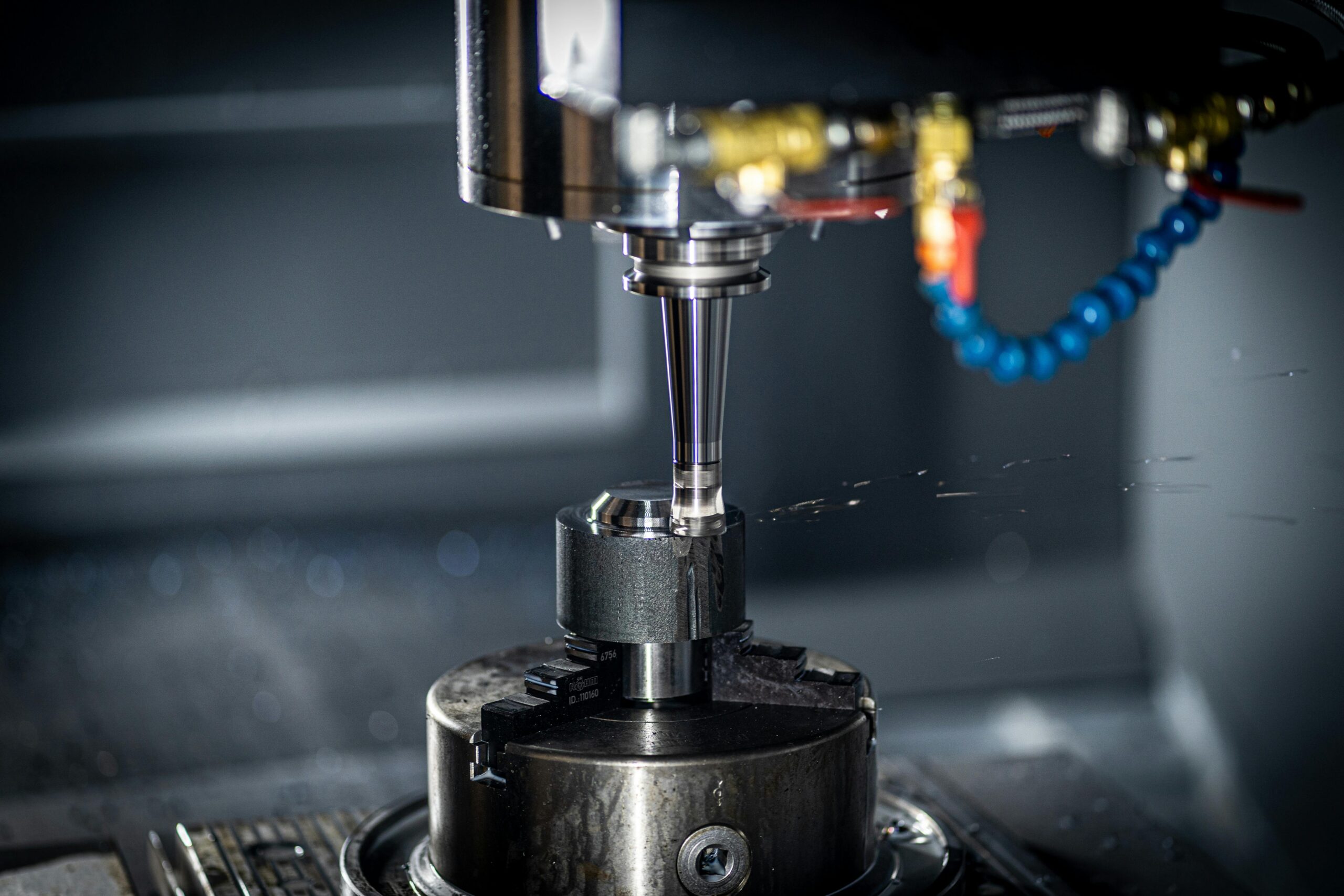
CNC Machining: Precision machining is used to shape the mold cavities and cores to match the desired product design.
EDM (Electrical Discharge Machining): Used for creating intricate details or sharp corners in the mold.
4. Polishing and Texturing
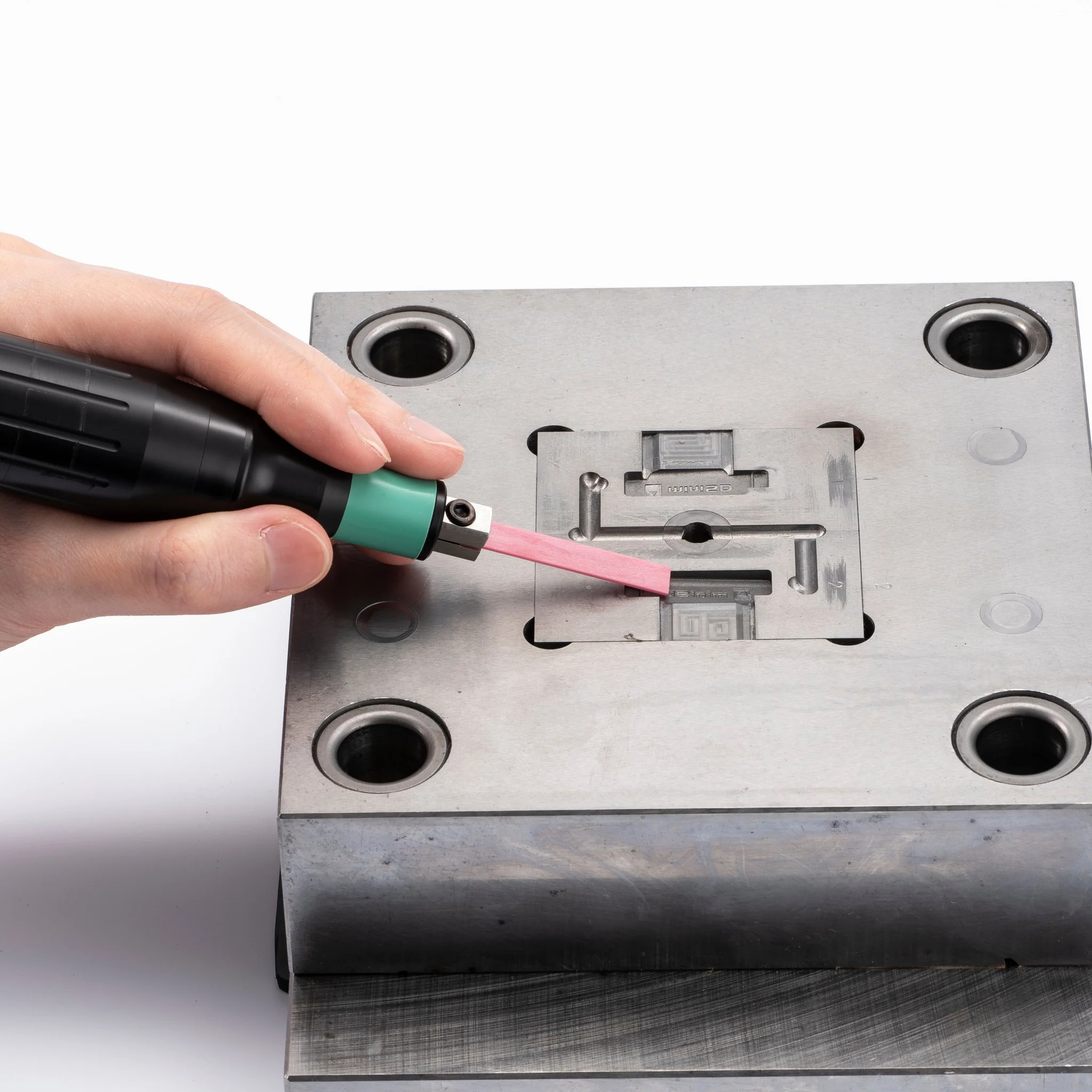
After machining, the mold surface is polished or textured to achieve the desired finish on the final product (e.g., glossy, matte, or patterned).
6. Production Process
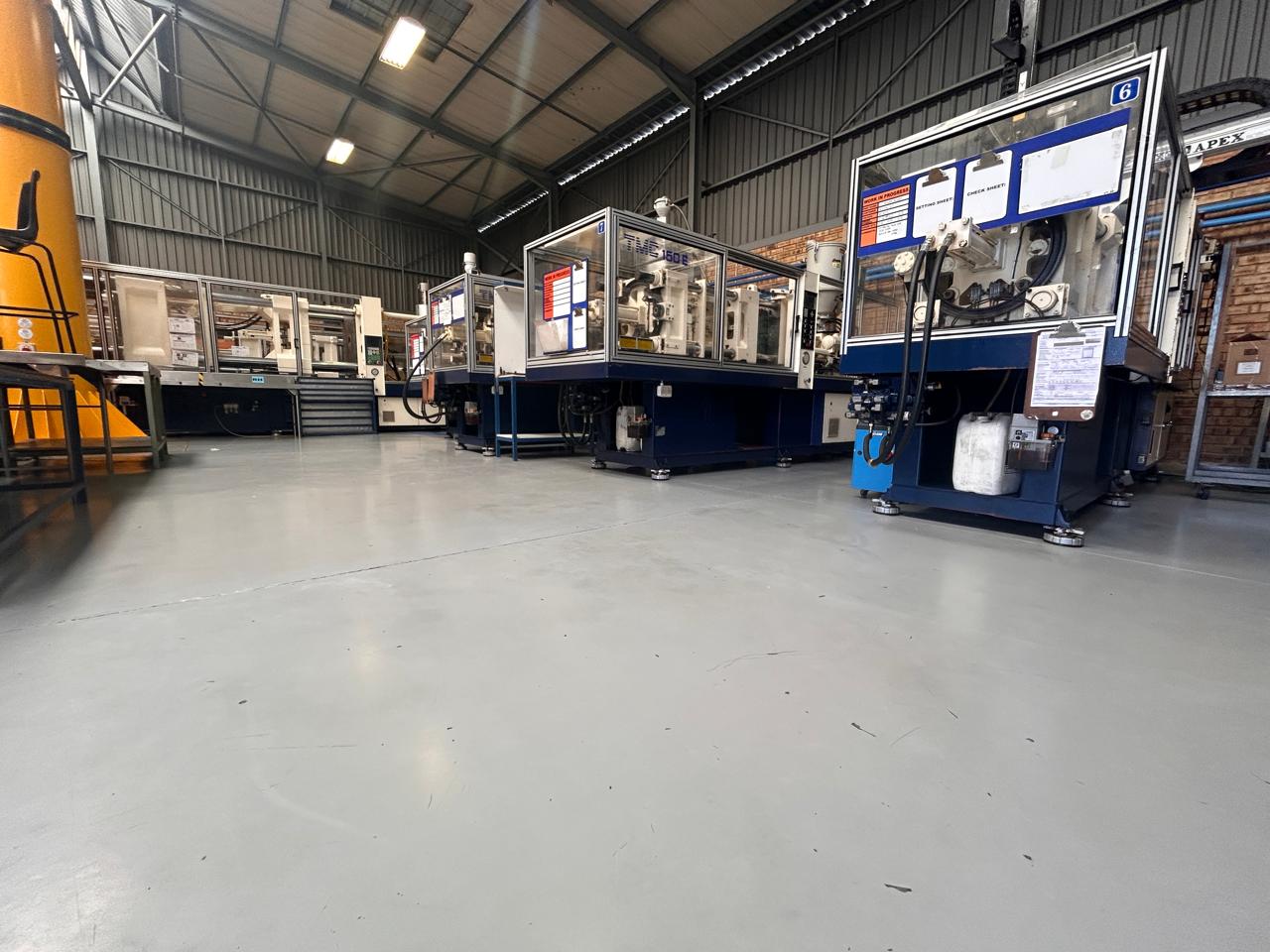
The mold is used in injection molding machines, where molten plastic is injected into the mold cavity under high pressure.
The plastic solidifies as it cools, and the finished part is ejected from the mold.